
Last month a survey by the Australian Digital Market Research Group found that 58 % of Australians aged 18‑35 now spend more than an hour a day on gaming apps. That jump of 12 % over the past year shows the country is pivoting from console to smartphone. The trend is not just about casual titles; it’s reshaping how people meet, shop, and even work.
The Rise of Social Gaming Communities
Apps like Clash Royale and PUBG Mobile have built forums that rival traditional social media groups. In Melbourne, a local Discord server for Mobile Legends averages 3,200 active members daily, and the server’s own event calendar now includes weekly charity streams that raise over $5,000 each month. The social layer turns a single-player download into a shared experience that keeps users glued.
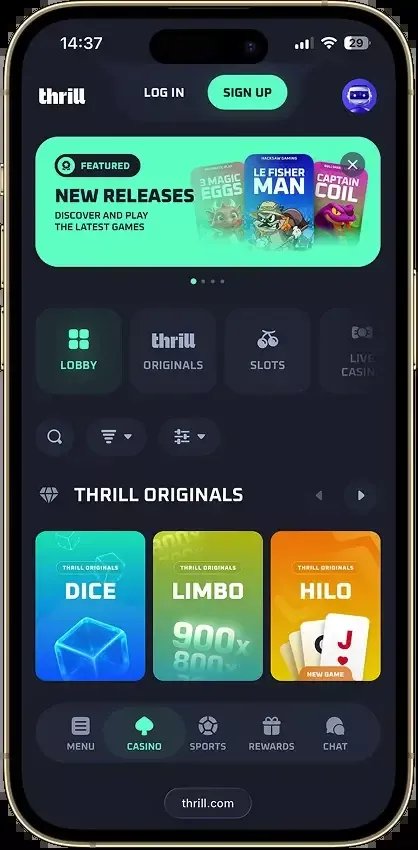
Why Community Matters
- Players can form guilds that coordinate real‑time tactics.
- In-app chat features let members share tips in real time.
- Event rewards are often distributed via community voting, giving users a sense of ownership.
Mobile Payments and Micro‑Transactions
Apple Pay and Google Wallet now support instant in‑app purchases with a 0.3 % fee, cutting transaction time from an average of 15 seconds to under 3. The result? A 27 % increase in micro‑transaction volume across the top 10 Australian gaming apps. However, the same speed can be a double‑edged sword. Younger players under 20 are more likely to overspend, so developers are adding parental controls that lock purchases after 12:00 pm.
Cross‑Platform Play and Cloud Gaming
Cloud services like Google Stadia and Xbox Cloud Gaming allow Australians to stream high‑end titles on their phones without a console. In Sydney, 12 % of households now use cloud gaming at least twice a week, a figure that has doubled since the launch of the 5G network. The downside? Bandwidth caps in rural areas still force users to downgrade to 720p streams, losing the crisp visuals that made the service popular.
Beyond Entertainment: Gaming in Education and Work
Some universities are integrating game‑based learning modules. The University of Queensland has a pilot program where students earn credits by completing puzzle‑based simulations that mirror supply‑chain logistics. In the corporate world, companies like Atlassian use gamified dashboards to track project milestones, reporting a 15 % boost in employee engagement.
When a casual gamer in Perth asks where to find the next big thing, the answer often points to a new app launch or an upcoming e‑sports tournament. The line between leisure and livelihood is blurring, and the mobile app ecosystem is at the center of that shift. For those curious about how the digital world extends beyond traditional screens, the next logical step is exploring online entertainment platforms that merge gaming with real‑world rewards. For instance, you can check out the curated selection of games and bonuses at http://hellspinscasinos.com, which offers a seamless transition from app play to online betting.
Looking Ahead
Regulators are keeping a close eye. The Australian Communications and Media Authority recently announced a new framework to ensure age verification and spend caps on mobile gaming. Meanwhile, developers are experimenting with augmented reality overlays that could bring street‑level gaming into the real world. If the current trajectory holds, by 2030 we’ll see a generation of Australians who grow up thinking of a phone screen as a portal to both entertainment and opportunity.
Bottom Line
Mobile gaming in Australia is no longer a side activity. It’s a social fabric, an economic driver, and a gateway to new forms of digital interaction. The industry’s rapid growth is fueled by fast payments, community features, and cloud technology, but it also faces challenges like overspending and rural connectivity gaps. Navigating these waters will require balanced regulation and continued innovation.
Frequently Asked Questions
What percentage of Australians aged 18‑35 spend over an hour daily on gaming apps?
58% of Australians in that age group report more than an hour per day on gaming apps.
How has mobile gaming changed social interactions in Australia?
Gaming apps create communities and forums that rival traditional social media, fostering new ways to connect and collaborate.
Which popular mobile games drive this trend?
Titles such as Clash Royale, PUBG Mobile, and other battle‑royale and strategy games lead the surge.
Can gaming apps impact work or productivity?
Yes—many gamers use apps for quick breaks, networking, and even remote collaboration tools built into gaming platforms.
